Rotations
Eight real shift rotations, what each one actually costs you in hours, and a simulator that draws any of them onto a live calendar.
Interactive
Rotation simulator
Choose a rotation and the day your cycle started. This runs the same arithmetic the app does — live duty status, a running countdown, and a month you can page through. Everything is computed in your browser; nothing is sent anywhere.
0%
Status right now
Off duty
One full cycle
Day shift
Night shift
Off duty
Today
0
Shifts per cycle
0
Days off per cycle
0
Avg hours / week
0
Days in cycle
The simulator needs JavaScript, but every rotation it covers is written out in full below.
Side by side
All eight at a glance
Cycle length is how many days before the pattern repeats. Average hours per week is the honest number over a full cycle, not a good week.
| Rotation | Cycle | Avg hours | Shape |
|---|---|---|---|
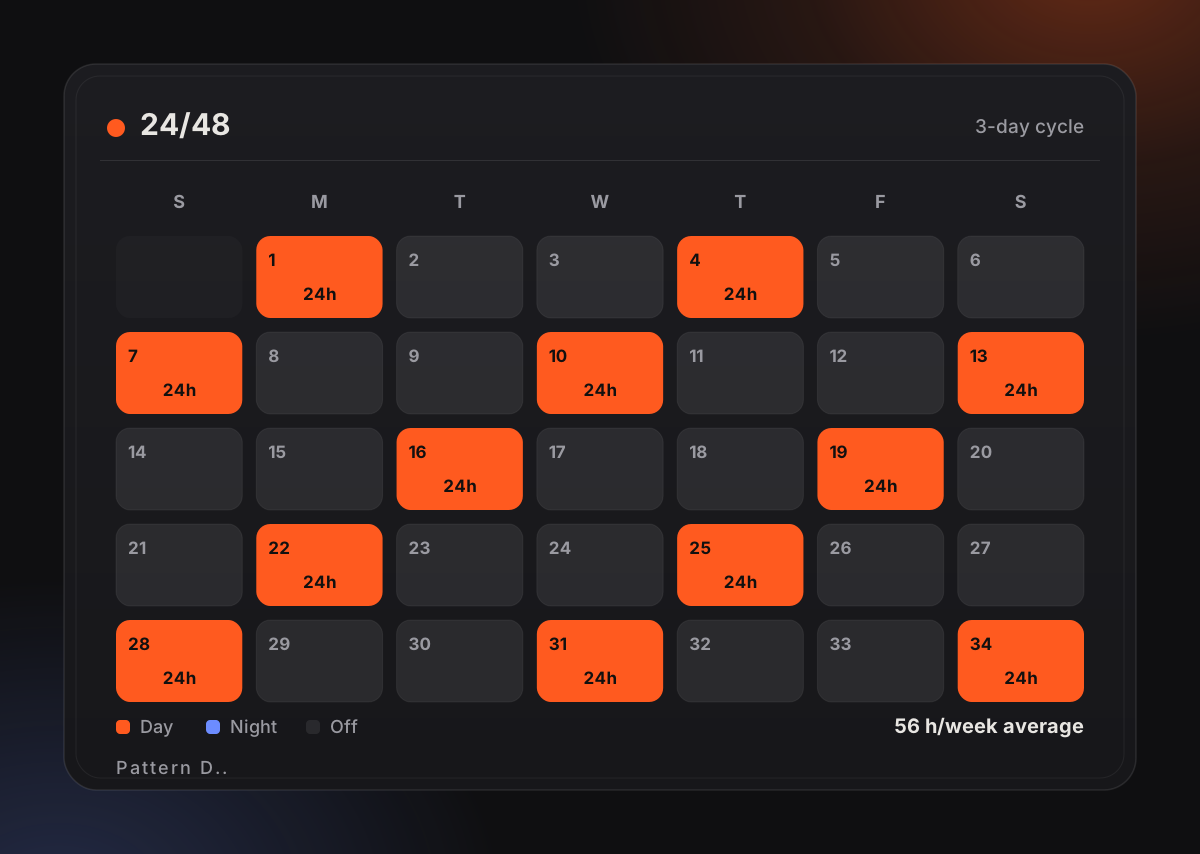
| 24/48 | 3-day cycle | 56 hrs/wk | One 24-hour shift, then 48 hours off. |
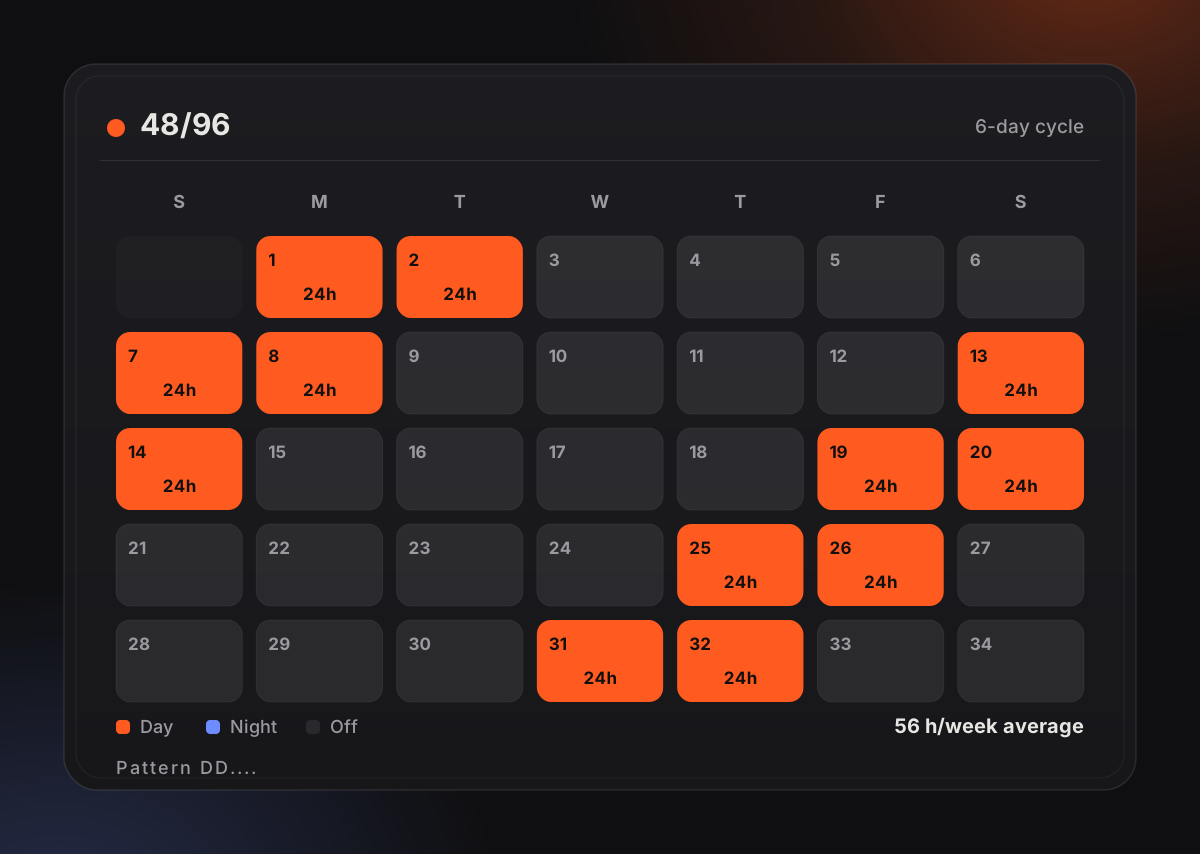
| 48/96 | 6-day cycle | 56 hrs/wk | Two 24-hour shifts, then four days off. |
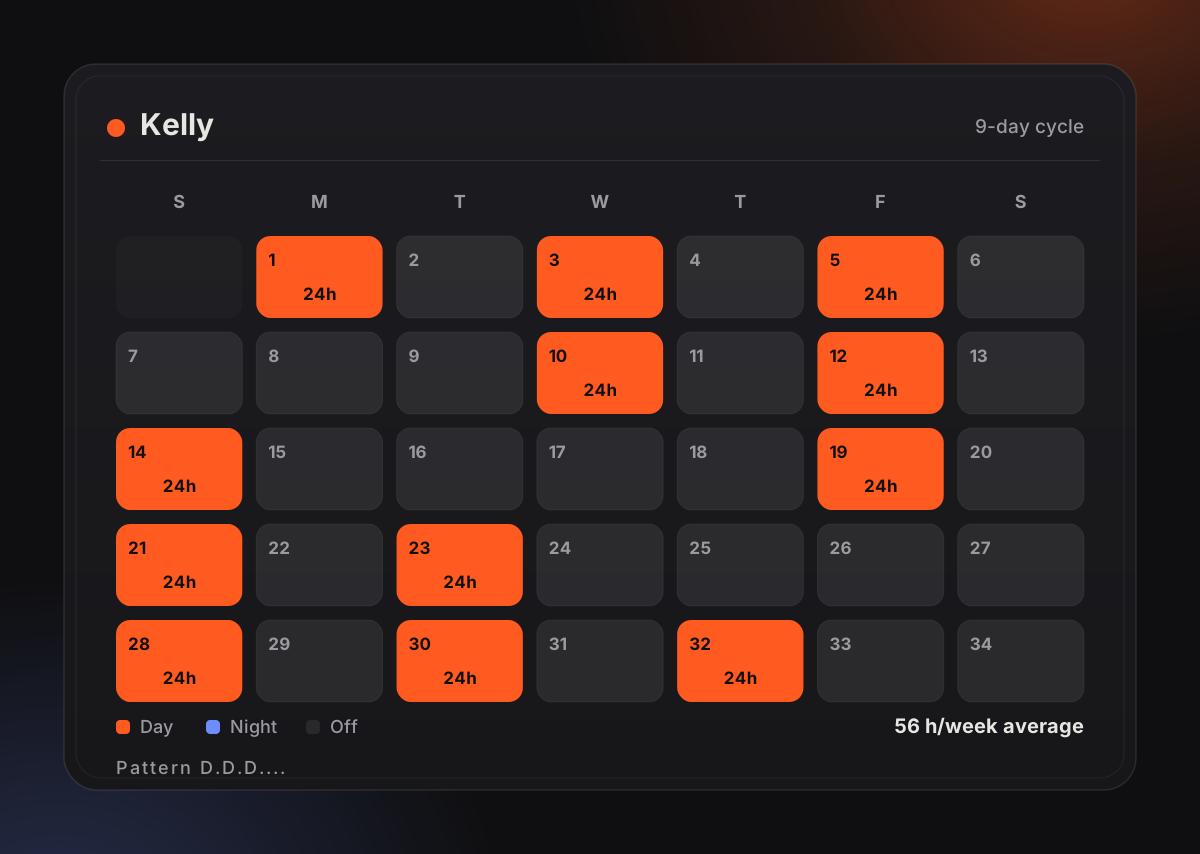
| Kelly | 9-day cycle | 56 hrs/wk | Three 24-hour shifts on alternating days, then four off. |
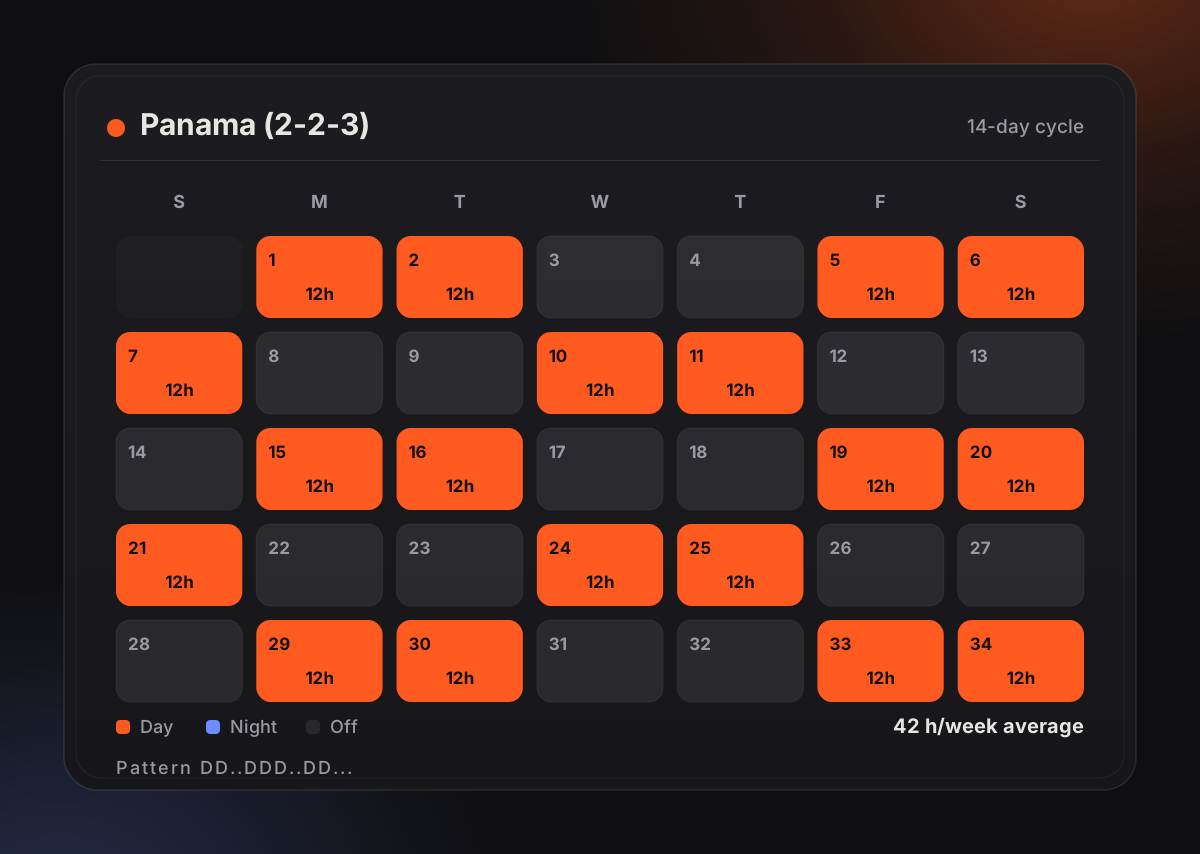
| Panama (2-2-3) | 14-day cycle | 42 hrs/wk | Two on, two off, three on — 12-hour shifts. |
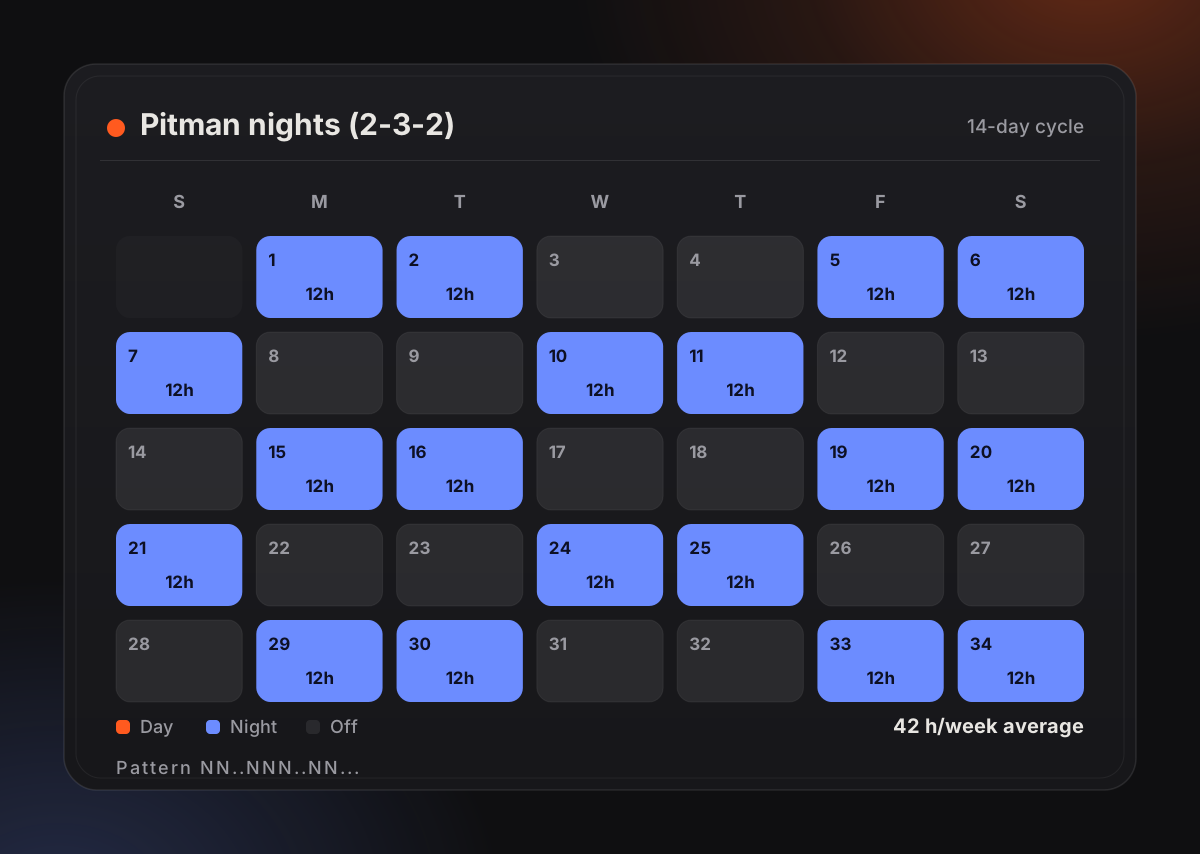
| Pitman nights (2-3-2) | 14-day cycle | 42 hrs/wk | The same 2-3-2 structure, worked on nights. |
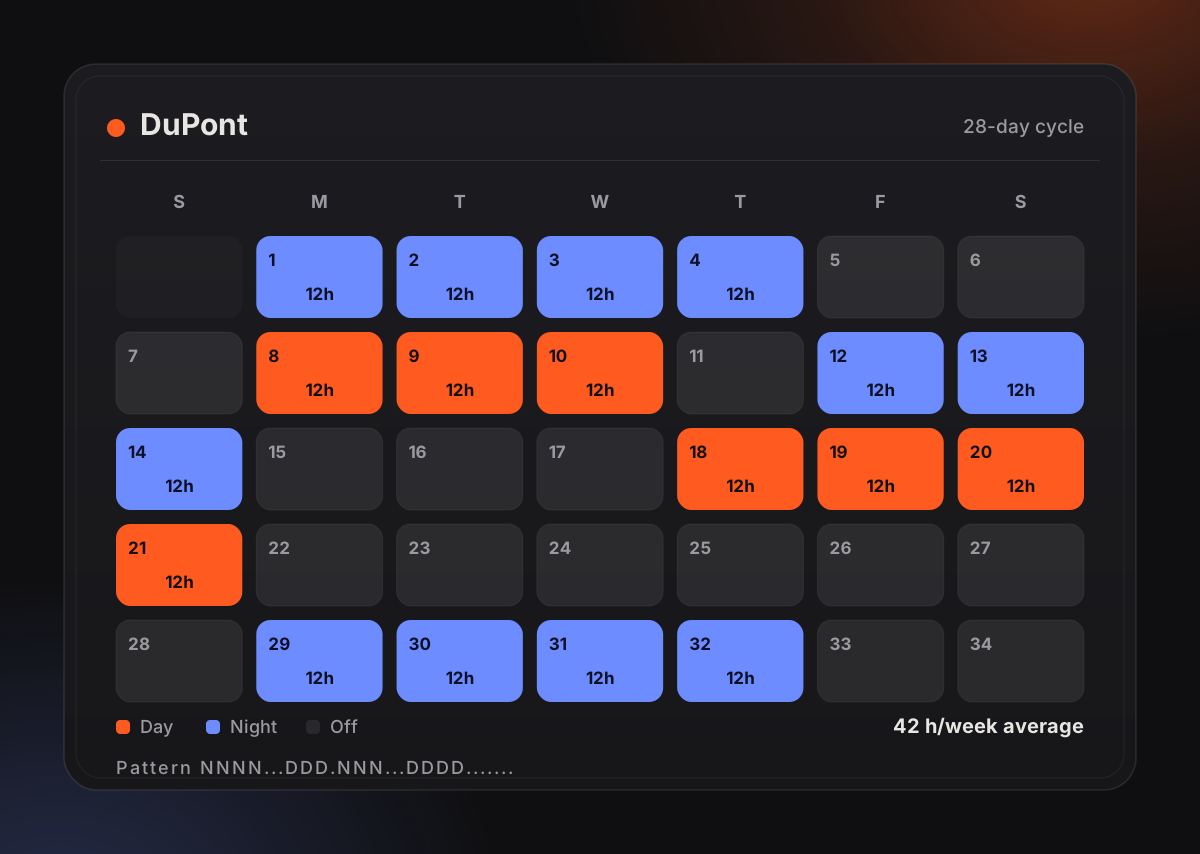
| DuPont | 28-day cycle | 42 hrs/wk | Rotating nights and days with a seven-day break. |
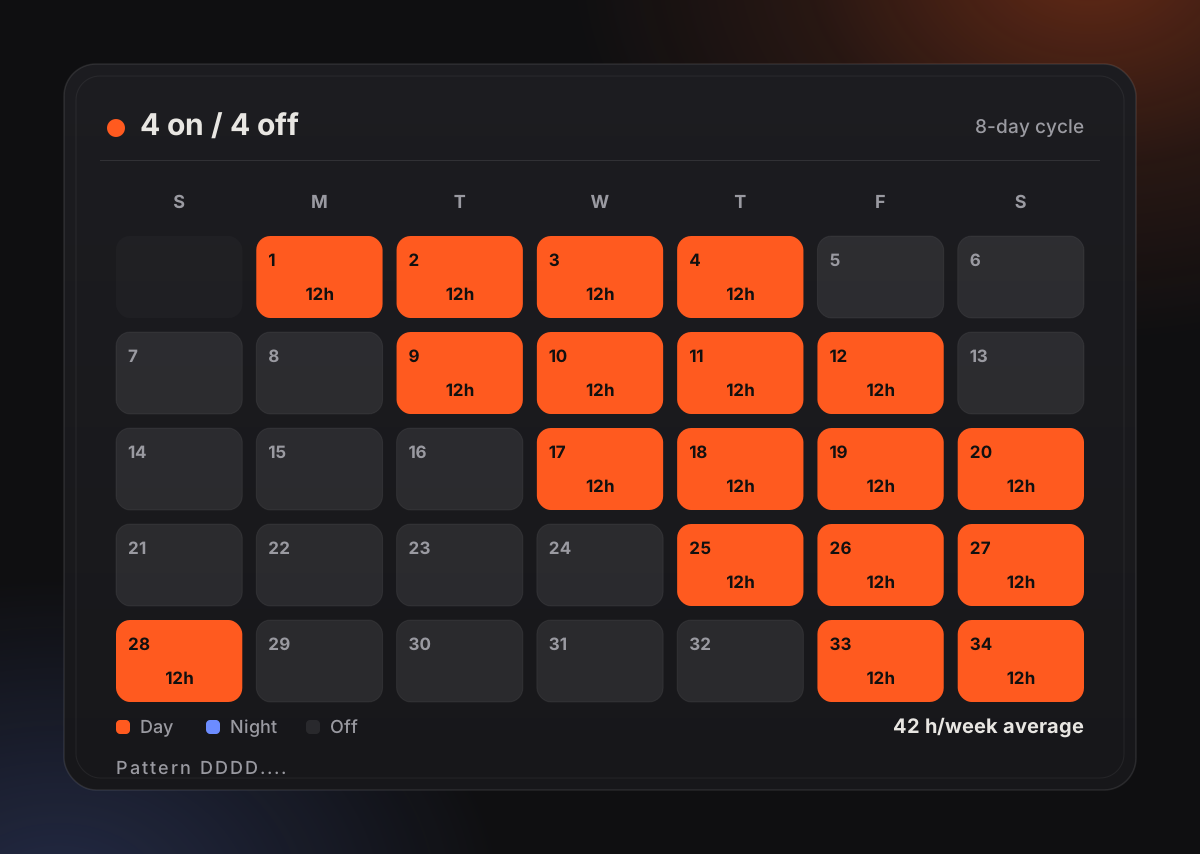
| 4 on / 4 off | 8-day cycle | 42 hrs/wk | Four 12-hour shifts, then four days off. |
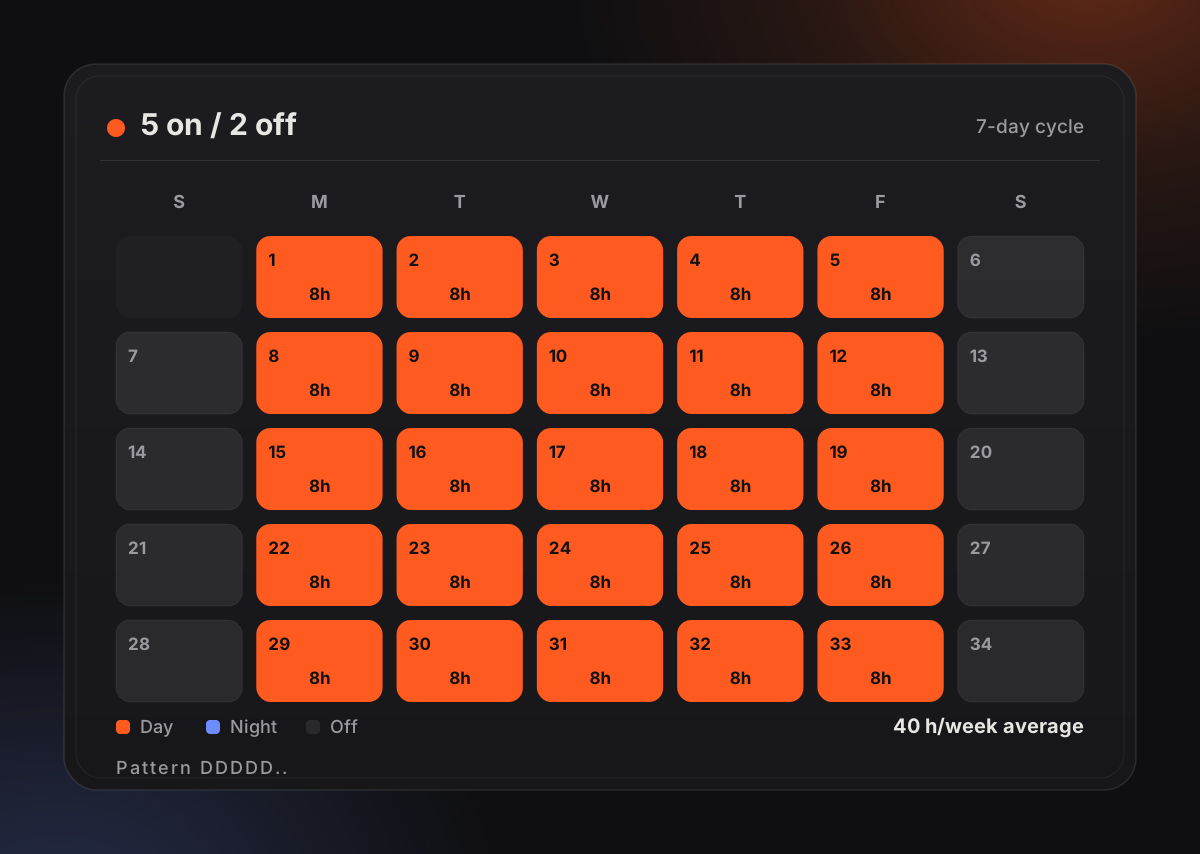
| 5 on / 2 off | 7-day cycle | 40 hrs/wk | The fixed weekday week. |
In detail
3-day cycle · 56 hrs/wk
24/48
One 24-hour shift, then 48 hours off.
The default single-platoon fire schedule. You work one full day, then get two. Simple to hold in your head, but the working day walks through the week, so it never lands on the same weekday twice in a row.
6-day cycle · 56 hrs/wk
48/96
Two 24-hour shifts, then four days off.
The same 56-hour average as 24/48, rearranged so all of your time off arrives in one four-day block. Popular with crews who commute a long way or want real recovery time.
9-day cycle · 56 hrs/wk
Kelly
Three 24-hour shifts on alternating days, then four off.
Named after Chicago's Mayor Kelly. Work, off, work, off, work, then four consecutive days off. It splits the difference between the daily churn of 24/48 and the long blocks of 48/96.
14-day cycle · 42 hrs/wk
Panama (2-2-3)
Two on, two off, three on — 12-hour shifts.
The classic slow-rotating 2-2-3. Over a fortnight it gives you every other weekend off in full, which is why dispatch centres and law enforcement lean on it.
14-day cycle · 42 hrs/wk
Pitman nights (2-3-2)
The same 2-3-2 structure, worked on nights.
Structurally identical to the Panama but on the night side of the roster. Same every-other-weekend rhythm, same 42-hour average, very different sleep schedule.
28-day cycle · 42 hrs/wk
DuPont
Rotating nights and days with a seven-day break.
Four nights, three off, three days, one off, three nights, three off, four days, then seven consecutive days off. The long break at the end is the whole point, and the reason people tolerate the rotation.
8-day cycle · 42 hrs/wk
4 on / 4 off
Four 12-hour shifts, then four days off.
Very common on industrial, plant and transportation crews. An even split with a cycle that fits neatly into an eight-day rhythm, though it drifts against the calendar week.
7-day cycle · 40 hrs/wk
5 on / 2 off
The fixed weekday week.
Included as a baseline so you can see what a rotating schedule actually costs you compared to a fixed Monday-to-Friday. It is the only pattern here that repeats on the same weekdays forever.
Not on this list?
Build your own
Plenty of departments run something invented locally. Kairos lets you lay out a custom weekly pattern and set the cycle start date to the day your rotation actually began, so the app matches the roster on the wall rather than a textbook.